
Japanese design philosophy, renowned for its understated elegance and mindful integration of nature, offers a compelling aesthetic for modern bathroom products. This exploration delves into the design principles behind a Japanese-style body wash dispenser, examining its aesthetic elements, material choices, functionality, and cultural context.
From minimalist forms and natural motifs to the profound concept of wabi-sabi, the Japanese aesthetic infuses a unique serenity into everyday routines. This analysis will detail how these elements translate into a practical and visually appealing body wash dispenser, considering aspects such as material selection, ergonomic design, and sustainable practices.
Aesthetic Elements
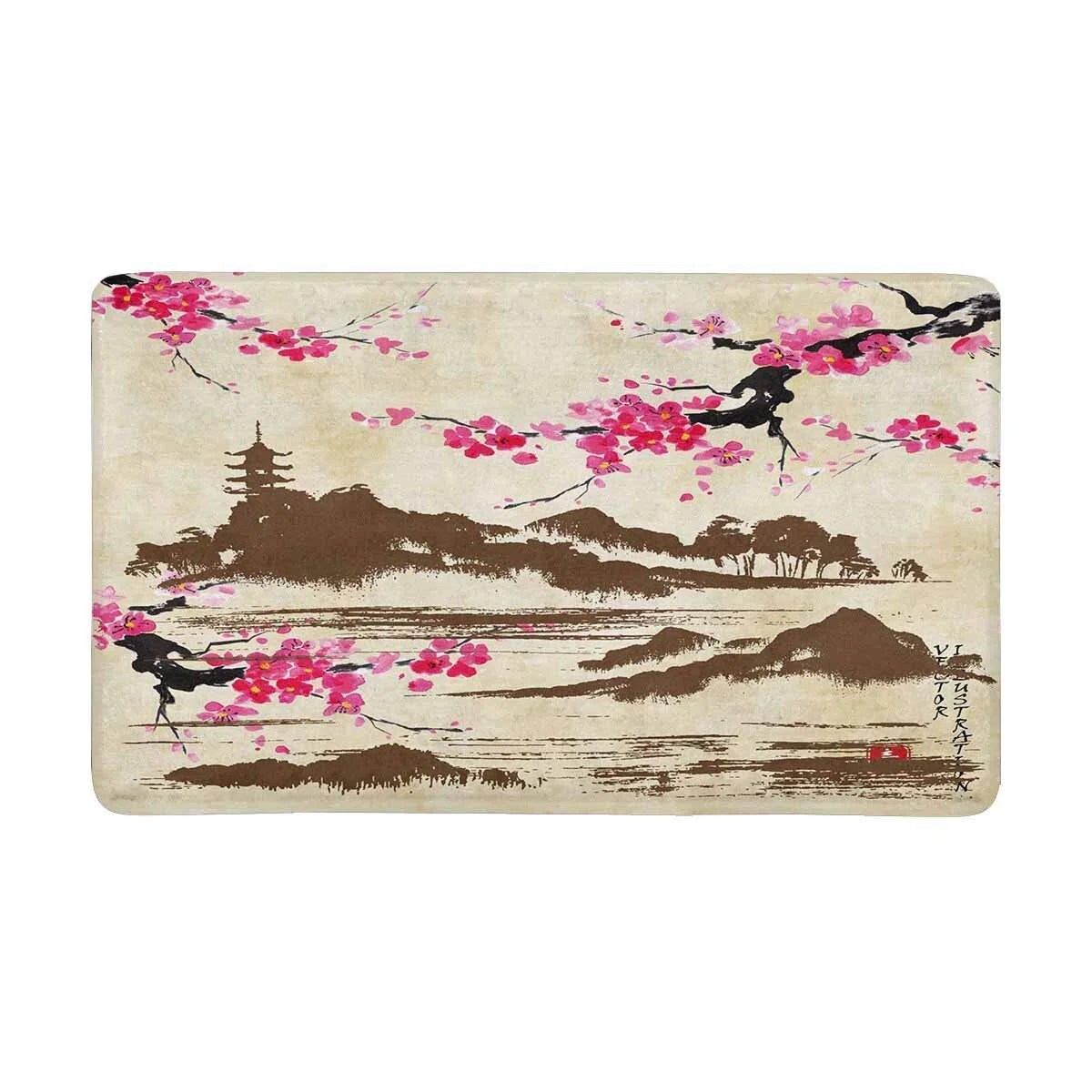
Japanese design, renowned for its understated elegance and harmony with nature, offers a compelling framework for crafting a sophisticated body wash dispenser. This aesthetic, often characterized by minimalism and a deep connection to the natural world, translates seamlessly into functional design, creating a product that’s both visually appealing and deeply satisfying to use.Japanese design principles emphasize the importance of a seamless integration of form and function.
The body wash dispenser, as a utilitarian object, can embody these principles by focusing on clean lines, subtle detailing, and a harmonious relationship with its surroundings. This approach prioritizes the experience of using the product, elevating the act of cleansing into a mindful ritual.
Design Elements Associated with Japanese Aesthetics
Japanese aesthetics frequently draw upon a rich tapestry of design elements, creating a unique and captivating visual language. These elements, when applied thoughtfully, can elevate the functionality and visual appeal of a body wash dispenser.
- Minimalism: A core principle of Japanese design, minimalism prioritizes essential forms and avoids unnecessary ornamentation. This approach translates to a clean, uncluttered dispenser design, focusing on the product’s core function—delivering body wash efficiently.
- Natural Motifs: Nature serves as a constant source of inspiration in Japanese design. Incorporating natural elements, like flowing water, delicate foliage, or subtle wood grain patterns, into the dispenser’s design can create a serene and calming atmosphere.
- Clean Lines: Sharp, precise lines, devoid of superfluous details, are another hallmark of Japanese design. This translates to a dispenser with a streamlined silhouette, promoting a sense of clarity and precision.
- Emphasis on Texture: Japanese design often incorporates subtle textures, such as the smooth finish of polished wood or the subtle grain of bamboo, to add depth and visual interest to a product. This can be applied to the body wash dispenser’s surface, adding a tactile dimension to the user experience.
Color Palettes Inspired by Japanese Nature
Japanese color palettes often draw inspiration from the subtle hues found in nature. These palettes typically feature a muted, harmonious blend of colors, often drawing from the natural landscape.
- Earthy Tones: Colors like warm browns, muted greens, and soft grays, reminiscent of forest floors or weathered wood, create a sense of grounding and tranquility.
- Subtle Blues and Greens: Deep blues, reminiscent of a clear mountain stream, or muted greens, reflecting lush foliage, evoke a sense of serenity and connection to nature.
- Soft Whites and Creams: These colors, often associated with the purity of snow or the soft glow of morning light, can enhance the overall feeling of calm and serenity in the dispenser design.
Influence of Wabi-Sabi
The concept of wabi-sabi, a Japanese aesthetic emphasizing the beauty of imperfection and impermanence, can profoundly impact the design of a body wash dispenser.
- Embracing Imperfection: Wabi-sabi encourages acceptance of imperfections and natural variations, suggesting that a slight asymmetry or a nuanced surface texture could be incorporated into the design, creating a sense of authenticity and individuality.
- Celebrating Impermanence: The transience of natural elements is a key aspect of wabi-sabi. This can be reflected in a body wash dispenser design that subtly hints at the natural cycle of renewal and change, such as a material that shows signs of weathering or a pattern that mimics the growth of a plant.
Body Wash Dispenser Concept
This concept draws inspiration from the interplay of water and stone found in Japanese gardens.
| Element | Description |
|---|---|
| Material | Polished, light gray stone, reminiscent of river stones, with subtle striations mimicking natural water patterns. |
| Shape | A simple, slightly irregular rectangular form, evoking the natural contours of a stone. |
| Color Palette | A muted palette of light grays, soft greens, and hints of pale blues, evoking the stillness of a mountain stream. |
| Functionality | Integrated pump mechanism that blends seamlessly with the overall design. |
Material Selection

Japanese design often prioritizes natural materials, reflecting a deep respect for the environment and craftsmanship. This philosophy extends to the selection of materials for everyday objects, including body wash dispensers, seeking harmony between form and function. The choice of material directly impacts the overall aesthetic, tactile experience, and longevity of the product.
Common Materials in Japanese Design
Japanese design often favors materials like wood, ceramic, and bamboo. These materials offer distinct aesthetic qualities, lending a sense of tranquility and sophistication to the dispenser. Wood, for instance, brings warmth and a connection to nature, while ceramic offers a clean, sophisticated aesthetic. Bamboo, with its natural strength and visual appeal, provides a striking alternative.
Tactile Qualities and Visual Appeal
The tactile experience plays a crucial role in the overall user experience. Wood’s natural grain offers a warm, inviting touch. Ceramic’s smooth, polished surface provides a sleek, modern feel. Bamboo’s subtle texture evokes a sense of natural elegance. The visual appeal is also significant, with each material conveying a distinct personality.
For example, a wooden dispenser can evoke a sense of rustic charm, while a ceramic one might suggest modern minimalism.
Durability and Practicality
Durability and practicality are essential considerations. Wood, while visually appealing, may require more care to maintain its integrity, especially if exposed to moisture. Ceramic, with its inherent strength, offers exceptional durability and resilience to daily wear and tear. Bamboo, possessing inherent strength and density, provides a strong and practical option, particularly in the dispenser’s housing. However, proper sealing and construction are essential for maintaining its integrity and preventing moisture issues.
Aesthetic and Functional Properties
The housing and dispensing mechanism should harmonize in both aesthetics and function. A wooden housing with a ceramic dispensing mechanism offers a visual contrast, yet maintains a cohesive aesthetic. Conversely, a bamboo housing with a polished stainless steel dispensing mechanism presents a contemporary approach. The selection hinges on the overall design concept and the desired user experience.
For example, a simple, elegant dispenser might favor ceramic for both housing and dispensing, while a more rustic design could integrate wood.
Eco-Friendly Material Option
Bamboo emerges as a compelling eco-friendly option. Bamboo grows rapidly, requiring minimal water and fertilizer compared to other timber resources. Its inherent strength and resilience make it suitable for both housing and dispensing mechanisms. For example, a bamboo dispenser can be designed with a water-resistant coating or sealed joints to ensure longevity and prevent damage from moisture.
This approach balances ecological considerations with practical demands. This material choice embodies sustainability and contributes to a reduced environmental impact.
Functionality and Ergonomics
A Japanese-style body wash dispenser, beyond its aesthetic appeal, must prioritize user experience. This extends beyond visual harmony to encompass a smooth, intuitive, and mindful dispensing process. The design should reflect Japanese principles of minimalism and functionality, seamlessly integrating advanced dispensing technology.The dispensing mechanism of a traditional body wash dispenser often relies on a simple pump or lever.
A Japanese-style dispenser, however, might incorporate a more nuanced approach, perhaps employing a sensor-activated system for precise, controlled dispensing. This could include pressure-sensitive mechanisms or infrared sensors, allowing for variable output tailored to individual needs.
Dispensing Mechanism Variations
The dispensing mechanism, critical for user experience, can be significantly refined. Instead of a simple pump, a Japanese-style dispenser might incorporate a sophisticated system that reacts to subtle pressure changes or utilizes an infrared sensor for contactless dispensing. This enhances hygiene and allows for a more precise, and potentially customizable, flow rate. This is in contrast to the traditional pump design which often leads to inconsistent dispensing and waste.
Ergonomic Considerations
Ergonomics plays a vital role in user satisfaction. A Japanese-style dispenser should be designed with a focus on comfortable hand placement and a natural grip. The shape and material of the dispenser should feel intuitive and contribute to a pleasant tactile experience. The dispenser’s weight should also be considered; it should be neither too heavy nor too light, promoting a comfortable and stable hold.
Quiet Operation
Quiet operation is paramount in maintaining a relaxing and mindful bathing experience. Minimizing the noise generated during the dispensing process is essential. A well-designed dispenser will utilize quiet-operating mechanisms and materials that absorb sound to reduce any jarring noises. This attention to detail creates a sense of calm and tranquility.
Mindfulness Promotion
The design of the dispenser should actively promote a sense of mindfulness. This can be achieved through subtle design elements that guide the user’s focus during the washing process. For example, a gentle, soft glow within the dispenser, or the use of calming color palettes, can create a more mindful atmosphere. Integration of natural materials or textures can further evoke a sense of peace.
Advanced Dispensing Technologies
Advanced dispensing technologies are not just about functionality but also aesthetics. A sensor-activated dispenser, for instance, could incorporate subtle LED lighting that reacts to the dispensing process, creating a visually engaging experience. The integration of these technologies into the overall design must maintain a sense of harmony and not appear cluttered or overly complex.
Cultural Context
Japanese design, steeped in centuries of tradition, emphasizes harmony, balance, and a deep connection to nature. This ethos, deeply rooted in Zen Buddhism and Shinto beliefs, profoundly influences the aesthetic choices in everything from architecture to everyday objects. The principles of simplicity, minimalism, and understated elegance permeate Japanese design, creating a unique and enduring appeal.This emphasis on restraint and subtle beauty translates seamlessly into the design of a body wash dispenser.
By incorporating traditional Japanese aesthetic principles, a dispenser can evoke a sense of serenity and sophistication, connecting the user to a rich cultural heritage. The aim is to create a product that is not only functional but also aesthetically pleasing and culturally relevant.
History of Japanese Design Principles and Aesthetics
Japanese design principles, deeply rooted in philosophical traditions, evolved over centuries. Early influences, such as Chinese aesthetics, were adapted and integrated into a unique Japanese style, emphasizing natural forms, simplicity, and a sense of tranquility. The influence of Zen Buddhism, with its focus on meditation and mindfulness, fostered an appreciation for simplicity and the beauty found in imperfection.
This aesthetic sensibility profoundly shaped the visual arts, architecture, and crafts of Japan. The concept of “wabi-sabi,” emphasizing the beauty of imperfection, transience, and natural asymmetry, is a prime example.
Cultural Significance of Materials, Shapes, and Colors
Materials such as bamboo, wood, and ceramic hold deep cultural significance in Japan, symbolizing natural beauty and craftsmanship. Shapes often reflect natural forms, such as flowing curves inspired by water or the subtle asymmetry of leaves. Colors frequently draw from nature, using earthy tones, muted hues, and subtle gradations to evoke a sense of calm and harmony. The use of these elements in a body wash dispenser can create a tangible connection to Japanese aesthetics.
Traditional Japanese Motifs and Symbols
- Floral motifs: Cherry blossoms (sakura), chrysanthemums (kiku), and bamboo are deeply symbolic and evoke spring, autumn, and resilience. These motifs, when subtly incorporated, can create a sense of harmony and beauty. Sakura, for instance, is a powerful symbol of ephemeral beauty, reminding us of the transient nature of life.
- Geometric patterns: Japanese geometric patterns, like the repeating patterns found in traditional textiles, can create visual interest and a sense of sophistication. The intricate designs often represent specific values, such as strength, balance, and prosperity.
- Nature-inspired symbols: Waterfalls, mountains, and birds often represent tranquility, strength, and freedom in Japanese art. These motifs can add depth and meaning to the dispenser’s design, fostering a connection with nature.
Role of Symbolism in Japanese Aesthetics
Symbolism in Japanese aesthetics transcends mere decoration; it communicates profound values and philosophies. The choice of a motif or symbol can deeply resonate with the user, evoking feelings of tranquility, respect, and connection to a rich cultural heritage. A thoughtfully chosen symbol can transform a simple body wash dispenser into a meaningful object.
Cultural Connotations for a Western Audience
While Japanese aesthetics might initially appear subtle, their inherent qualities of harmony, balance, and natural beauty resonate with a broad audience. The muted color palettes and organic shapes found in Japanese design evoke a sense of tranquility and sophistication, qualities that are increasingly valued in contemporary Western design. The subtle incorporation of Japanese motifs, like cherry blossoms or bamboo, can enhance the appeal of the dispenser, without being overtly culturally specific.
This allows the product to connect with a Western audience on a deeper emotional level.
Interactive Features
A minimalist Japanese-inspired body wash dispenser, while prioritizing aesthetics, can incorporate interactive features to elevate the user experience without sacrificing its serene design. This approach allows for a subtle engagement with the product, mirroring the Japanese concept of “omotenashi” – the art of anticipating and fulfilling customer needs. The key is to ensure these features seamlessly integrate with the overall aesthetic, avoiding any jarring or distracting elements.
Potential Interactive Features
This dispenser can incorporate a variety of interactive features to enhance the user experience, prioritizing subtle and intuitive engagement. The integration of these features should be guided by the principle of simplicity and responsiveness.
- Adjustable Dispensing: The dispenser can offer adjustable dispensing, allowing users to control the amount of body wash dispensed. This could be achieved through a subtle slider or a pressure-sensitive mechanism. A slider, positioned discreetly on the side or bottom of the dispenser, would allow for easy and precise dispensing control, while maintaining a sleek aesthetic. A pressure-sensitive mechanism could respond to varying hand pressures, providing a dynamic and adaptable dispensing experience.
- Subtle Lighting and Sound Effects: A soft, ambient light integrated into the dispenser can respond to the dispensing action, creating a subtle visual cue. For example, a gentle glow or a subtle color shift could signal the dispensing process. Similarly, subtle, nature-inspired sound effects, such as gentle water dripping or rustling leaves, could accompany the dispensing, further enhancing the sensory experience.
The sound effects should be designed to be calming and not overly intrusive, respecting the Japanese aesthetic’s emphasis on serenity.
- Personalized Dispensing Profiles: Users could create personalized dispensing profiles to optimize their routine. This feature could allow users to save their preferred dispensing amounts for different needs or skin types, enhancing the dispenser’s functionality and user engagement.
- Haptic Feedback: A subtle haptic feedback mechanism could respond to the dispensing action, providing a tactile confirmation of the dispensing process. A light vibration or a subtle “click” could be incorporated to add a sense of completion and user feedback. This would be a subtle yet important way to add user interaction, ensuring the dispenser is more than just a vessel.
Innovative Dispensing Control Methods
Innovative methods for controlling the dispense amount can enhance the user experience while maintaining a minimalist design. These methods should be intuitive and seamlessly integrated into the dispenser’s form.
- Pressure-Sensitive Sensor: A pressure-sensitive sensor, integrated into the dispenser’s spout, can allow users to control the dispense amount by varying the pressure applied to the dispenser. This technique mirrors the user’s natural hand movements, enhancing intuitiveness.
- Micro-Adjustment Slider: A finely tuned micro-adjustment slider, subtly incorporated into the design, allows for precise control over the dispense amount. This feature mirrors the precision and attention to detail often associated with Japanese design, without being overly complex or distracting.
Maintaining Minimalist Aesthetic
The key to a successful interactive design is ensuring that the interactive features do not overwhelm the minimalist aesthetic. The design should prioritize subtle, integrated interactions.
“Minimalism in design is not about less, but about choosing the essential elements and eliminating the rest.”
The interaction mechanisms should be seamlessly integrated into the overall form and function of the dispenser, rather than being added as afterthoughts. The lighting and sound effects should complement, not detract from, the serene atmosphere. This approach ensures the dispenser’s Japanese-inspired aesthetic remains undisturbed while enhancing user engagement.
Packaging and Presentation
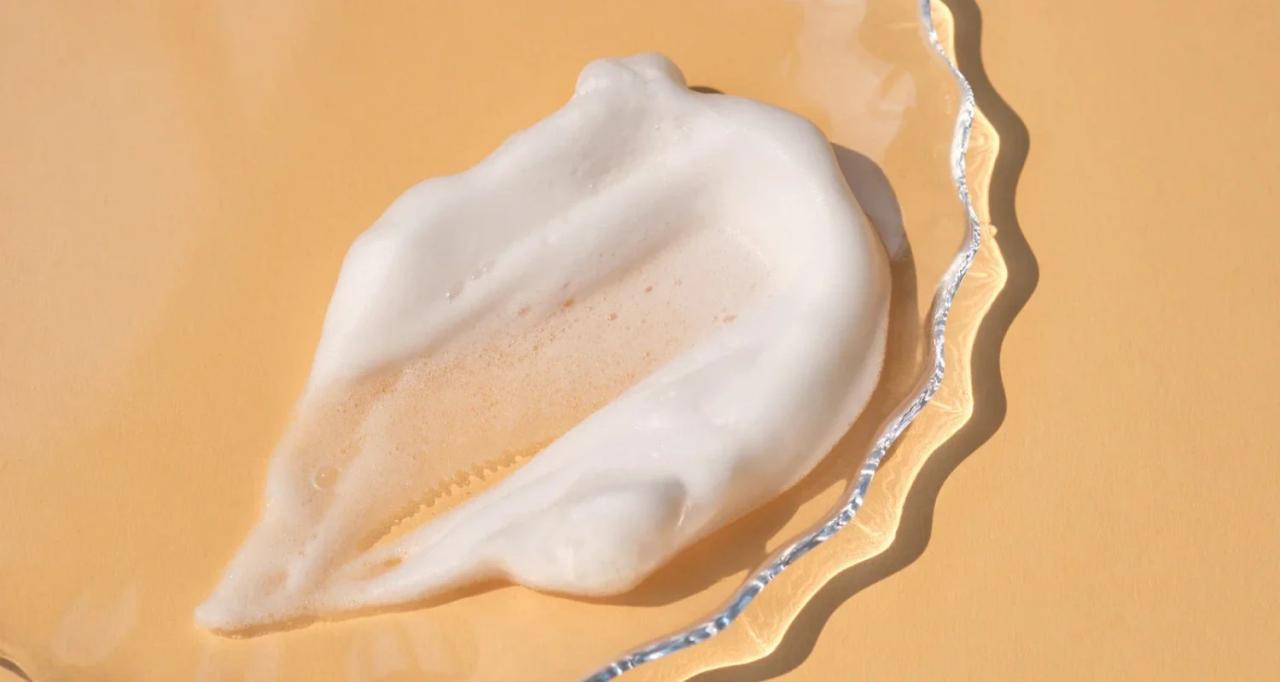
Minimalist packaging is crucial for a Japanese-style body wash dispenser, reflecting the country’s aesthetic preference for simplicity and understated elegance. This approach aligns seamlessly with the brand’s overall identity, emphasizing quality and functionality over ostentation. A thoughtful packaging design enhances the product’s perceived value, contributing to a premium experience for the consumer.The packaging should not only protect the dispenser but also serve as an extension of the brand’s identity, communicating the product’s key features and benefits.
A well-crafted package acts as a silent ambassador, showcasing the brand’s commitment to quality and sustainability, resonating with environmentally conscious consumers.
Minimalist Packaging Concept
The core design concept for the body wash dispenser’s packaging emphasizes clean lines, muted tones, and natural materials. The use of natural materials, like recycled cardboard or sustainably sourced wood, conveys a commitment to environmental responsibility, a growing consumer demand. The minimalist approach avoids excessive ornamentation, focusing instead on highlighting the product’s essential qualities. This approach resonates with a contemporary aesthetic that values understated elegance.
Natural Materials and Sustainable Packaging
The use of natural and sustainable materials in packaging contributes to the brand’s commitment to environmental responsibility. Examples include recycled cardboard, sustainably sourced paper, or plant-based plastics. The choice of materials should be transparent, allowing consumers to understand the sourcing and manufacturing process. This transparency builds trust and strengthens the brand’s ethical image.
Enhancing Aesthetic Appeal and Brand Identity
The packaging’s design should seamlessly integrate with the dispenser’s aesthetic, reinforcing the brand’s identity. For instance, the color palette might echo the dispenser’s design, or subtle branding elements could be incorporated, such as minimalist logos or understated graphics. A cohesive visual identity across the packaging and dispenser creates a strong brand presence.
Clear and Concise Label Design
The label should be clear, concise, and informative. It should highlight the product’s key features, such as its natural ingredients, gentle formula, and sustainable packaging. The use of simple, elegant typography and a limited color palette maintains the minimalist aesthetic. The label should clearly indicate the product’s origin, ingredients, and usage instructions, aligning with consumer expectations for transparency.
Visual Presentation of the Complete Product Package
| Component | Description |
|---|---|
| Dispenser | A sleek, cylindrical dispenser crafted from high-quality, recycled plastic. The dispenser features a matte, muted beige finish, complemented by a subtle, engraved logo. |
| Packaging | A minimalist cardboard box, crafted from sustainably sourced recycled paperboard. The box’s design features clean lines and a muted, natural beige color. The body wash dispenser is securely nestled inside. |
| Label | A concise label affixed to the front of the box, showcasing the product’s name in a simple, elegant typeface. Key information, including the product’s ingredients and usage instructions, is clearly displayed in a small font. |
“The package is not merely a container; it’s a silent ambassador for the brand, communicating values and quality.”
The packaging design should integrate the color palette and typography from the dispenser, creating a unified brand aesthetic. The overall impression should be one of understated elegance, quality, and sustainability.
Visual Comparisons
The visual language of a product often speaks volumes about its intended market and cultural resonance. A Japanese-style body wash dispenser, designed with a keen eye for aesthetics and functionality, contrasts sharply with a contemporary Western counterpart, reflecting differing cultural priorities. These visual distinctions extend beyond mere aesthetics; they communicate underlying values and expectations of the target consumer.The comparison between these design approaches reveals a nuanced interplay of cultural influences and design philosophies.
Japanese aesthetics, often characterized by simplicity, minimalism, and a focus on natural materials, stand in contrast to the more assertive and often bolder design choices prevalent in Western contemporary designs. This analysis explores the material choices, shapes, and colors employed in each design paradigm, and the cultural implications embedded within these aesthetic decisions.
Japanese-Style Dispenser Aesthetics
Japanese design emphasizes harmony with nature and a sense of tranquility. This translates to a preference for natural materials, smooth lines, and subdued color palettes. Imagine a dispenser crafted from matte-finished bamboo, showcasing a clean, minimalist design with gentle curves. The color scheme might feature muted earth tones, like warm browns and deep greens, evoking a sense of natural serenity.
The shape would likely be simple and elegant, emphasizing functionality without sacrificing aesthetic appeal. This aesthetic aims to create a calming and immersive experience, blending seamlessly with the surrounding environment.
Western-Style Dispenser Aesthetics
Western contemporary design often prioritizes bold statements, technological innovation, and a wider range of color palettes. Visualize a sleek, chrome-plated dispenser with sharp angles and a vibrant, contrasting color, perhaps a bold red or a bright, citrus yellow. The material might be high-gloss plastic or a metal alloy. The design often highlights technological advancement and emphasizes a modern, dynamic aesthetic.
This approach intends to make a strong visual impact, reflecting a more assertive and expressive cultural perspective.
Comparative Table of Aesthetic Elements
| Feature | Japanese-Style Dispenser | Western-Style Dispenser |
|---|---|---|
| Material | Bamboo, ceramic, or lacquered wood, showcasing natural textures and warmth. | High-gloss plastic, chrome, or stainless steel, emphasizing a contemporary and polished look. |
| Shape | Simple, flowing curves, emphasizing organic forms and natural contours. | Sharp angles, geometric shapes, and streamlined designs, often reflecting technological innovation. |
| Color | Subdued earth tones (browns, greens, grays), creating a sense of calm and natural harmony. | Vibrant colors (reds, yellows, blues), bold contrasts, and a wide range of hues, creating a strong visual impact. |
| Overall Impression | Harmonious, tranquil, and blending with the environment. | Modern, dynamic, and visually striking. |
Cultural Reflection in Design
The choice of materials, shapes, and colors in each design reflects deeply ingrained cultural values. The Japanese preference for natural materials and subdued tones underscores a cultural appreciation for nature and a desire for tranquility. Conversely, the Western emphasis on bold colors and sharp lines often reflects a cultural focus on innovation, progress, and visual impact. The Japanese aesthetic is deeply rooted in the principles of “侘び寂び” (wabi-sabi), emphasizing the beauty of imperfection and impermanence, whereas the Western approach often emphasizes the pristine and the polished.
Examples of Japanese Aesthetic Elements
Several design elements evoke a strong sense of Japanese aesthetic. The use of natural materials like bamboo, the emphasis on smooth lines, and the restrained color palettes all contribute to a calming and serene impression. The avoidance of unnecessary ornamentation and the focus on minimalist design further exemplify this characteristic approach. The meticulous attention to detail in craftsmanship also reinforces the Japanese ethos of quality and precision.
Examples can be found in traditional Japanese crafts such as pottery and lacquerware.
Sustainability Considerations
A burgeoning consumer consciousness demands environmentally responsible product design. Japanese-style body wash dispensers, renowned for their aesthetic appeal, can and should incorporate sustainable practices throughout their lifecycle. This necessitates careful material selection, optimized manufacturing processes, and mindful packaging strategies. Prioritizing sustainability not only aligns with contemporary values but also enhances the brand image and fosters long-term profitability.Minimizing the environmental impact of the body wash dispenser extends beyond simply using recycled materials.
It encompasses the entire production chain, from raw material sourcing to product disposal. A comprehensive approach involves meticulous analysis of each stage to identify and mitigate potential harm. This includes considering the carbon footprint of transportation, the energy consumption during manufacturing, and the potential for waste generation at each step. This comprehensive approach ensures that the product’s environmental footprint is as small as possible.
Eco-Friendly Materials and Manufacturing Processes
Sustainable materials are crucial for minimizing the environmental impact of the dispenser. A focus on renewable resources and recycled content is essential. Bio-based plastics, derived from plant-based sources, offer a viable alternative to traditional petroleum-based plastics. These alternatives, when combined with recycled materials, contribute to a reduced carbon footprint. Furthermore, choosing materials with low embodied energy and minimal toxicity during manufacturing is paramount.
The production process should incorporate energy-efficient technologies and minimize water usage.
Minimizing Environmental Impact Throughout the Lifecycle
The environmental impact of a product extends beyond its manufacturing phase. The product’s usage and eventual disposal need consideration. Designing for durability and repairability can extend the product’s lifespan, reducing the need for frequent replacements. The design should also facilitate easy disassembly and material recovery at end-of-life, allowing for responsible recycling and reuse. A clear and accessible recycling program for the dispenser should be established to ensure proper disposal.
The impact of transportation should also be considered throughout the product’s journey.
Reducing Waste in Packaging and Design
Minimizing packaging material is critical to reducing waste. Using lightweight, recyclable packaging materials is key. Clever design can also eliminate unnecessary packaging components. For example, a minimalist box design with integrated dispensing instructions printed directly onto the dispenser’s exterior can significantly reduce packaging waste. Another approach involves utilizing a refill system, allowing consumers to purchase refills separately and reducing the volume of primary packaging.
Using compostable materials in secondary packaging and shipping materials further enhances the sustainability strategy.
Sustainable Materials for Dispenser Construction
- Recycled plastics: Post-consumer recycled plastics can replace virgin materials, reducing reliance on new resources. Materials such as PET (polyethylene terephthalate) are widely recycled and can be used in various components of the dispenser.
- Bamboo: Bamboo, a fast-growing and renewable resource, is a promising alternative to wood and plastics. Its natural properties and aesthetic appeal make it suitable for certain components of the dispenser.
- Bio-based plastics: Bioplastics derived from corn starch, sugarcane, or other plant sources are another eco-friendly option. These materials can be used for parts like the dispenser body or packaging, offering a biodegradable alternative.
- Recycled aluminum: Aluminum, a lightweight and highly recyclable material, is ideal for components that require strength and durability, such as the dispenser base or pump.
Ethical Sourcing Practices
Ethical sourcing is crucial for minimizing environmental and social impacts. Materials should be sourced from suppliers committed to fair labor practices and environmental protection. This includes ensuring that suppliers adhere to regulations concerning worker safety, fair wages, and responsible land management. Transparency in the supply chain is essential to verify the ethical sourcing practices and to identify potential risks.
Using certified materials and supporting organizations promoting ethical sourcing are additional steps. By prioritizing ethical sourcing, the brand can demonstrate its commitment to responsible business practices and build trust with consumers.
User Experience
A Japanese-style body wash dispenser aims to transcend simple functionality, creating a holistic experience that integrates aesthetics, mindfulness, and sensory stimulation. This approach prioritizes the user’s emotional connection with the product, transforming a daily hygiene ritual into a moment of calm and contemplation. The user experience is not just about ease of use, but also about fostering a sense of well-being.The design of a Japanese-style body wash dispenser influences the user’s emotional response.
Its minimalist form and often natural color palette evoke feelings of serenity and tranquility, mirroring Japanese aesthetic principles of simplicity and harmony. The smooth, tactile materials contribute to a calming and mindful experience. The overall sensory experience is further enhanced by the subtle sounds and aromas associated with the dispenser.
Sensory Experience
The sensory experience encompasses the visual, tactile, auditory, and olfactory elements. The minimalist design, often incorporating natural materials like wood or bamboo, visually evokes a sense of calm and nature. The smooth, warm surfaces of the dispenser provide a pleasant tactile experience. The subtle hiss of dispensing body wash contributes to a relaxing auditory environment. A gentle, natural aroma, perhaps of Japanese green tea or citrus, can further enhance the sensory experience, adding another dimension of well-being.
These elements work in concert to create a truly immersive and mindful experience.
Emotional Response
The design of a Japanese-style body wash dispenser can evoke a range of positive emotions in the user. The aesthetic, often drawing inspiration from Japanese minimalism and natural forms, creates a sense of serenity and tranquility. This design philosophy is intended to reduce stress and promote a feeling of well-being. The quiet and deliberate act of using the dispenser can be a mindful interruption from daily routines, fostering a sense of presence and awareness.
Users might experience a feeling of calm and introspection, mirroring the meditative practices inherent in Japanese culture.
Psychological Impact
The use of a Japanese-style body wash dispenser can have a subtle but positive psychological impact. The mindful design encourages users to slow down and focus on the present moment, which can help reduce feelings of stress and anxiety. The act of dispensing the body wash, with its deliberate and precise movements, can foster a sense of control and intentionality.
This, in turn, can translate into a feeling of greater self-awareness and personal agency. This positive feedback loop, through sensory stimulation and mindfulness, can contribute to a heightened sense of well-being. This approach contrasts with the often hurried and impersonal nature of many contemporary bathroom products.
Wrap-Up
The Japanese body wash dispenser aesthetic transcends a mere product; it embodies a philosophy of mindful design. By integrating principles of wabi-sabi, natural materials, and intuitive functionality, the dispenser offers a unique user experience. This analysis highlights how Japanese design principles can elevate everyday bathroom routines, creating a space of tranquility and mindful engagement.
